
Macro-Economy
Why the CBK Held Rates — and What That Means for Your Loan
A plain-English walkthrough of the April Monetary Policy Committee decision and its real-world implications for borrowers and savers.
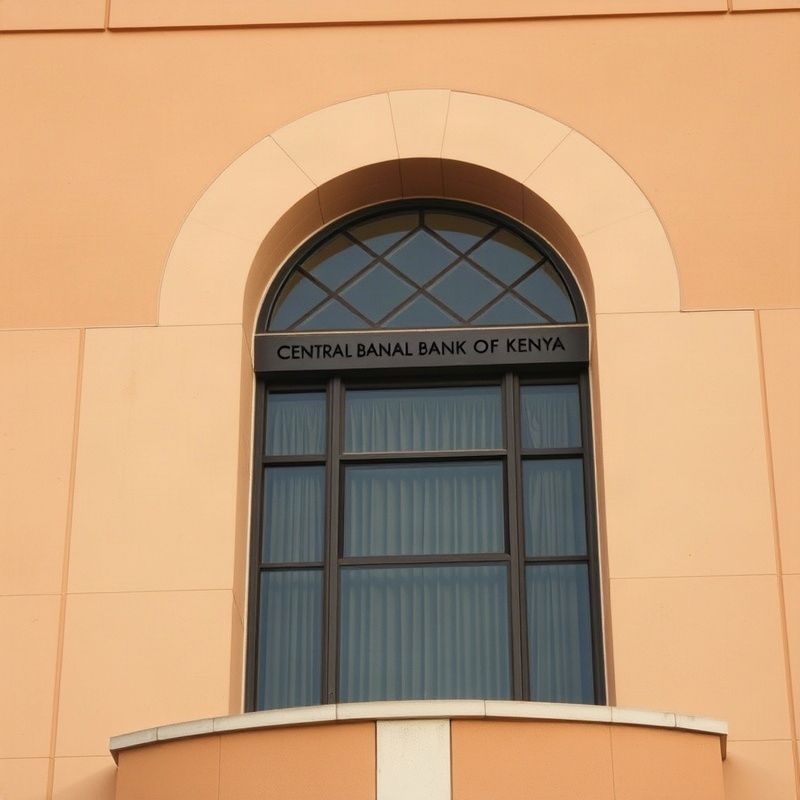
What the Monetary Policy Committee actually decided
At its April 2024 sitting, the Central Bank of Kenya's Monetary Policy Committee voted to hold the Central Bank Rate at 13%, unchanged from its February meeting. On the surface that looks like a non-event. But the decision carries significant information about how the CBK reads current inflation dynamics, the exchange-rate trajectory and the health of credit markets — and those readings have direct consequences for anyone with a mortgage, a business loan or a savings account. The Committee noted that overall inflation had eased to 5.0% in March, within its 2.5%–7.5% target band, but flagged residual risks: fuel prices remain sensitive to global oil markets, food prices are vulnerable to erratic rainfall patterns, and the shilling's recent stabilisation against the dollar is still fragile. Holding rates was, in effect, a signal that the CBK is cautiously optimistic but not yet confident enough to cut. For borrowers, that means loan-repayment costs stay where they are for at least another quarter. For savers, deposit rates at commercial banks — which typically shadow the CBK rate — are unlikely to fall in the near term, which is a small but real benefit if you keep money in a fixed deposit or money market fund.
What this means in practice — and what to watch next
The most immediate effect is on variable-rate loans. If your mortgage or business credit facility is pegged to a bank's base lending rate, and that base rate tracks the CBK Rate, your monthly repayment will stay constant until the Committee meets again. The next MPC sitting is scheduled for June 2024. Between now and then, three data points will shape whether the CBK cuts, holds or — in an unlikely but possible scenario — raises rates again: the May inflation release from the Kenya National Bureau of Statistics, the latest current-account data from CBK itself, and the shilling's performance against major currencies. If inflation prints below 5% and the shilling holds steady, a modest rate cut in June becomes plausible. If food prices spike — as they have in past Aprils when long-rains shortfalls emerge — the Committee will almost certainly hold again. What this explainer cannot tell you is which scenario will unfold: economic forecasting is probabilistic, not deterministic. What it can tell you is which indicators to watch and why they matter for the cost of credit in Kenya.