
Labour Market
Kenya's Informal Workers: Big Numbers, Thin Safety Nets
The latest KNBS labour-force survey puts informal employment at over 80% of the workforce. We unpack what that figure really means.
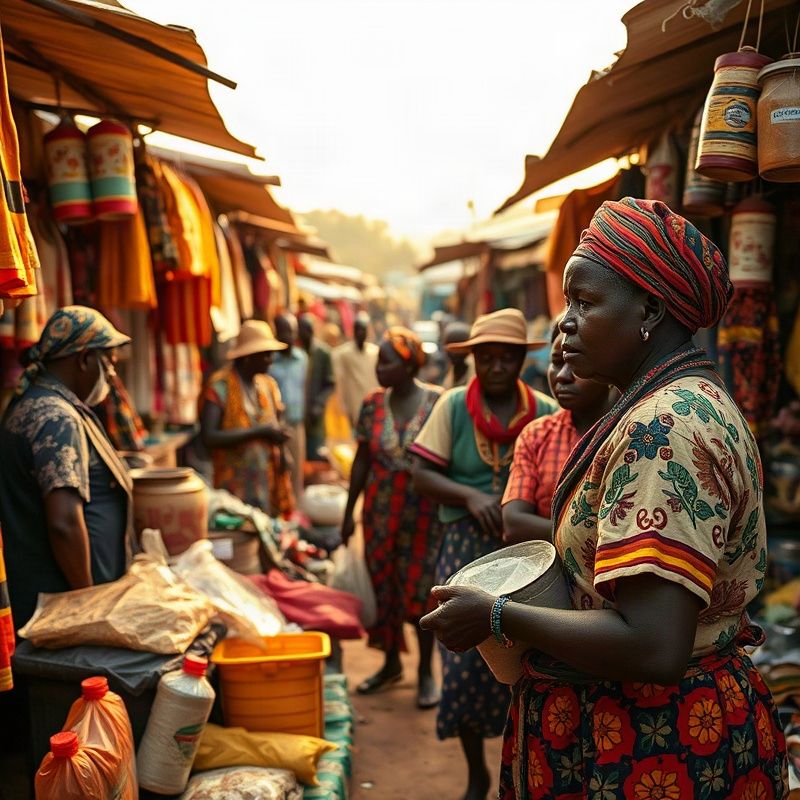
Eighty percent — and why that number deserves more attention
The Kenya National Bureau of Statistics' 2023 Labour Force Report confirmed that 83.4% of all employed Kenyans work in the informal sector — that's roughly 15.7 million people, doing everything from running roadside stalls and driving boda bodas to doing piece-rate agricultural work and providing domestic services. The figure is frequently cited but rarely interrogated. What does it actually mean to be informally employed in Kenya in 2024? It means, in most cases, no written contract, no statutory pension contribution, no employer-paid NHIF cover and no guaranteed minimum wage enforcement. It also means income that is highly variable, often seasonal and deeply exposed to external shocks — a fuel-price spike raises input costs for a jua kali fabricator just as directly as it raises fuel bills for a logistics firm, but the fabricator has no HR department, no sick leave and no credit facility to smooth the disruption. The KNBS data also shows that informal workers' median monthly earnings — estimated at KSh 12,400 — are roughly 40% below the formal-sector median, a gap that has widened since 2019 partly because formal wages benefited from minimum-wage reviews that informal workers rarely see applied in practice.
The policy gap — and what it realistically can and cannot fix
Kenya has several programmes nominally aimed at informal workers: the Hustler Fund offers small, short-tenure credit; the Social Health Authority is restructuring health coverage; and various county governments run market-infrastructure projects. But uptake and impact data remain thin. The Hustler Fund disbursed over KSh 50 billion in its first year, yet independent assessments suggest most loans were used for immediate consumption smoothing rather than productive investment — which is understandable given the precarious income base, but limits the transformative potential the programme was designed to deliver. A more structural lever would be broadening pension coverage: fewer than 20% of informal workers contribute to any retirement scheme, meaning the current working generation is building little long-term financial resilience. Piloting opt-out rather than opt-in enrolment for schemes like the NSSF — as some East African neighbours have tested — could meaningfully shift that ratio without compulsion. What honest economic reporting cannot promise is that any single policy will close the formal-informal divide quickly: the gap reflects decades of structural factors, including underfunded public education, limited access to collateral-based credit and regulatory costs that make formal registration prohibitive for many micro-enterprises. Progress will be incremental, and readers should be sceptical of political framing that suggests otherwise.